Water Pollution
Tackling water pollution in Ganga basin
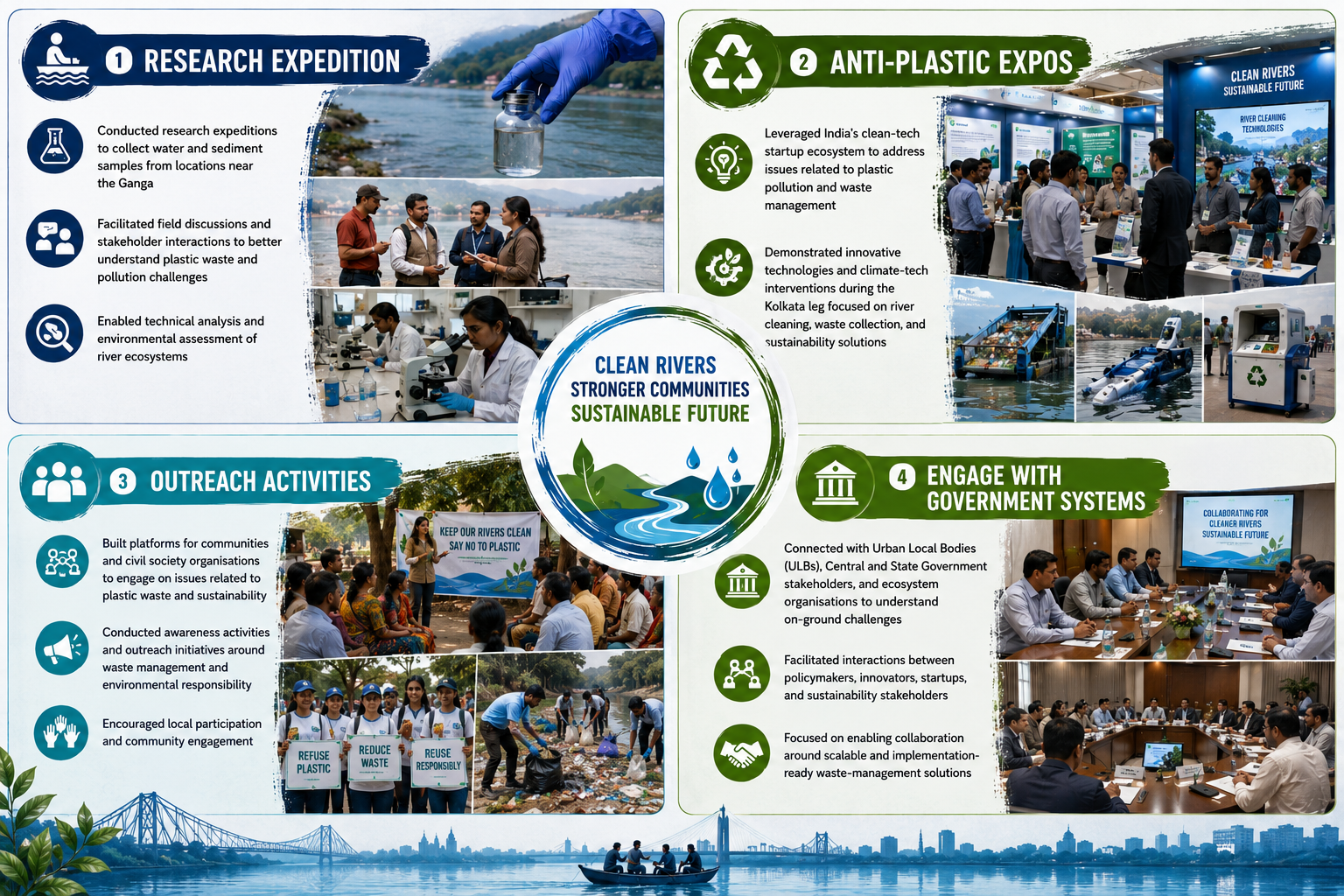
About the Initiative
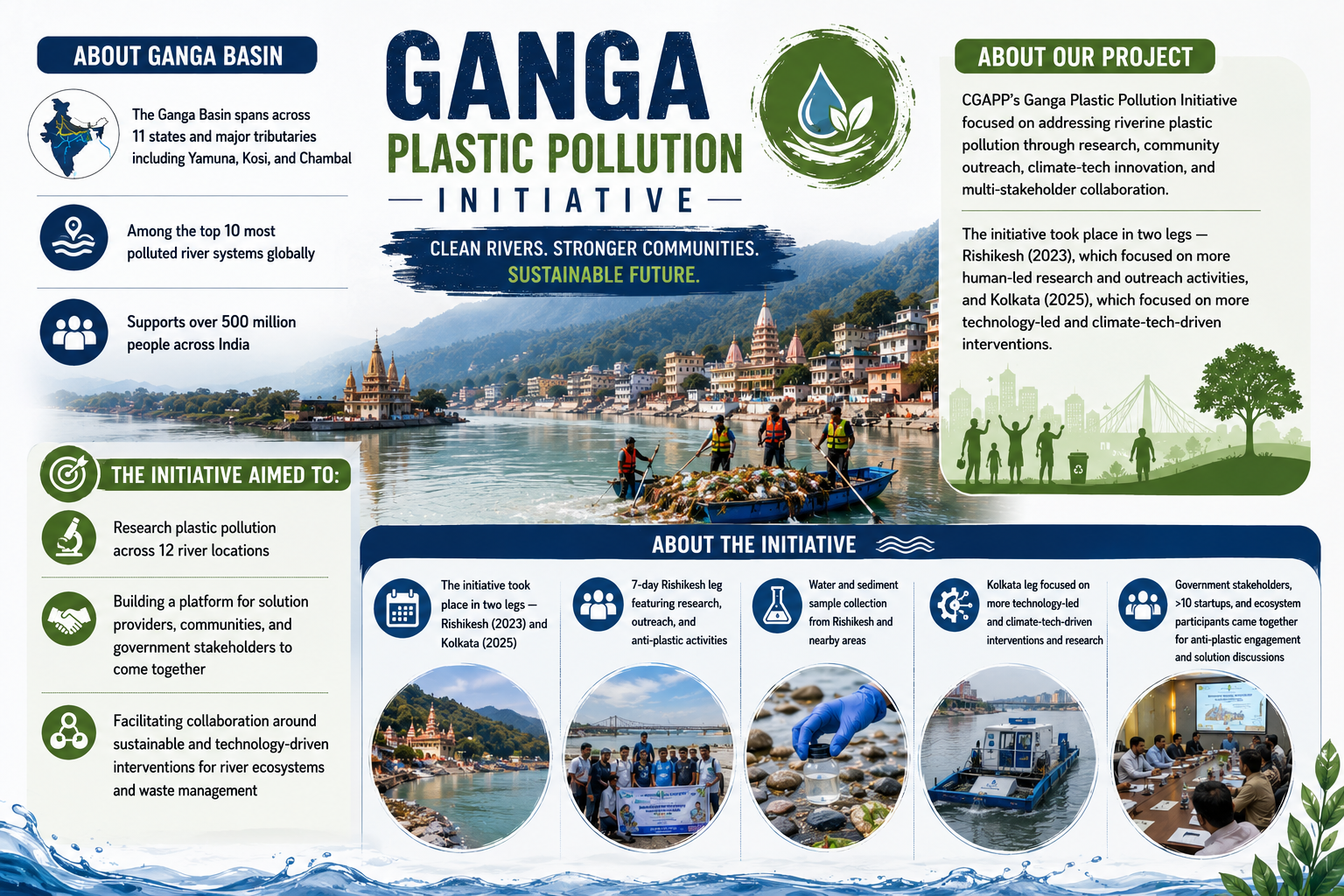
A multi-city initiative combining research, outreach, innovation, and collaboration to address riverine plastic pollution in the Ganga Basin.
Collaboration & Engagement
Government stakeholders, 10+ startups, and ecosystem participants came together for anti-plastic engagement and solution discussions.
Two Major Legs
Rishikesh Activities
Field Research
Kolkata Leg
Key Insights
Findings from the Ganga Plastic Pollution Initiative across Rishikesh (2023) and Kolkata (2025).
12
River Locations Studied
13–20.3
NTU Turbidity Range
4.23–5.26
ppm Dissolved Oxygen
2023–2025
Research Duration
Research & Assessment
The Ganga Plastic Pollution Initiative highlighted growing environmental stress across river ecosystems due to plastic waste, suspended pollutants, and poor waste-management practices.
Research and technical analysis conducted during the Rishikesh (2023) and Kolkata (2025) legs covered 12 river locations and included water and sediment sample collection, stakeholder interactions, and community outreach activities.
Key Findings
- High turbidity levels ranging between 13–20.3 NTU.
- Declining water quality across several river locations.
- Low dissolved oxygen levels between 4.23–5.26 ppm.
- Increasing presence of waste and debris across river ecosystems.
- Need for improved river monitoring and environmental assessment.
Conclusion
The findings reinforced the need for scalable, technology-enabled, and community-supported solutions to strengthen river ecosystem management and address plastic pollution in the Ganga Basin. The initiative also highlighted the importance of combining community-led outreach, stakeholder engagement, and climate-tech-driven interventions for river monitoring, waste collection, and environmental assessment.
Explore the Detail Findings
Access the complete research reports and detailed findings from the initiative.
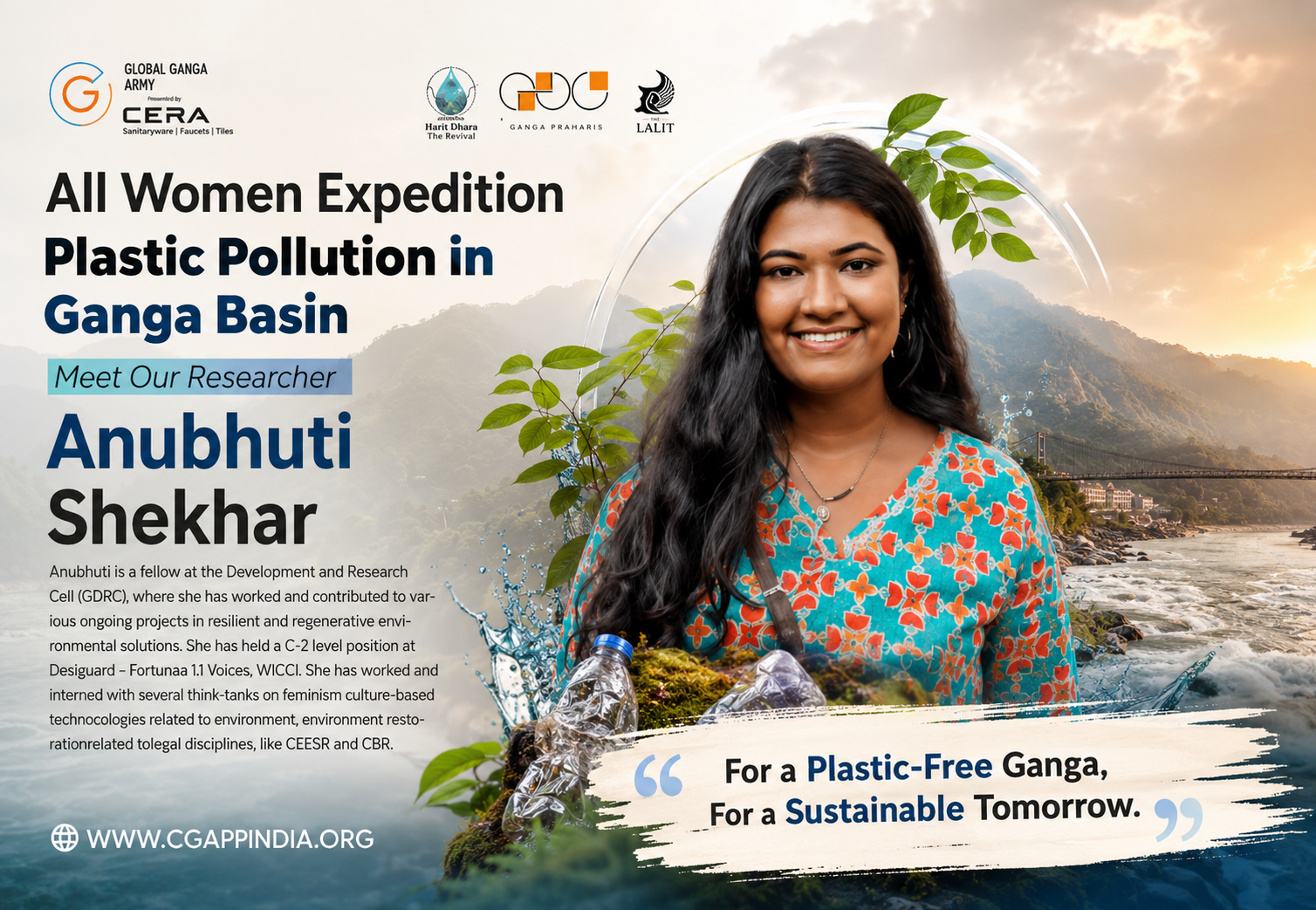
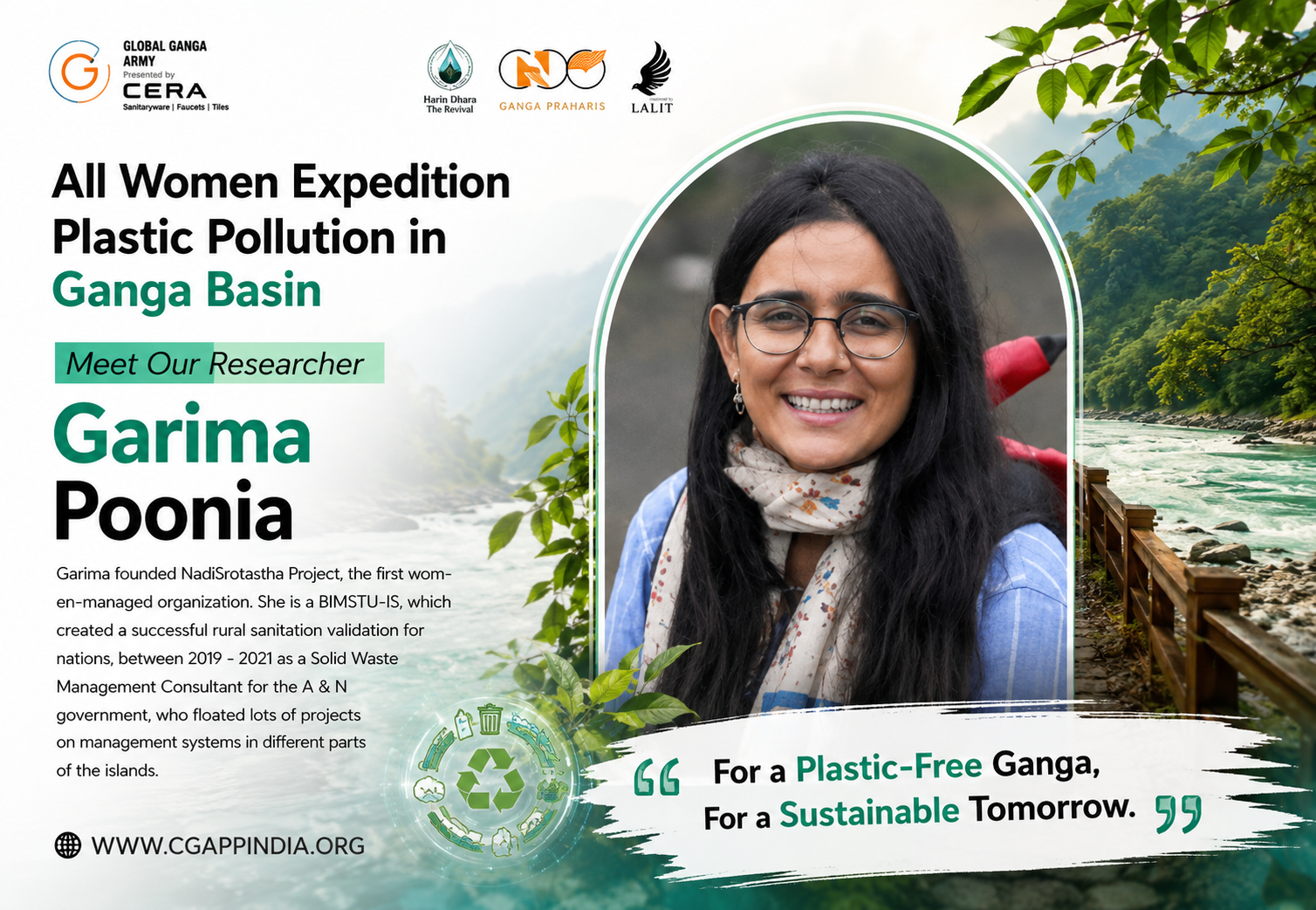
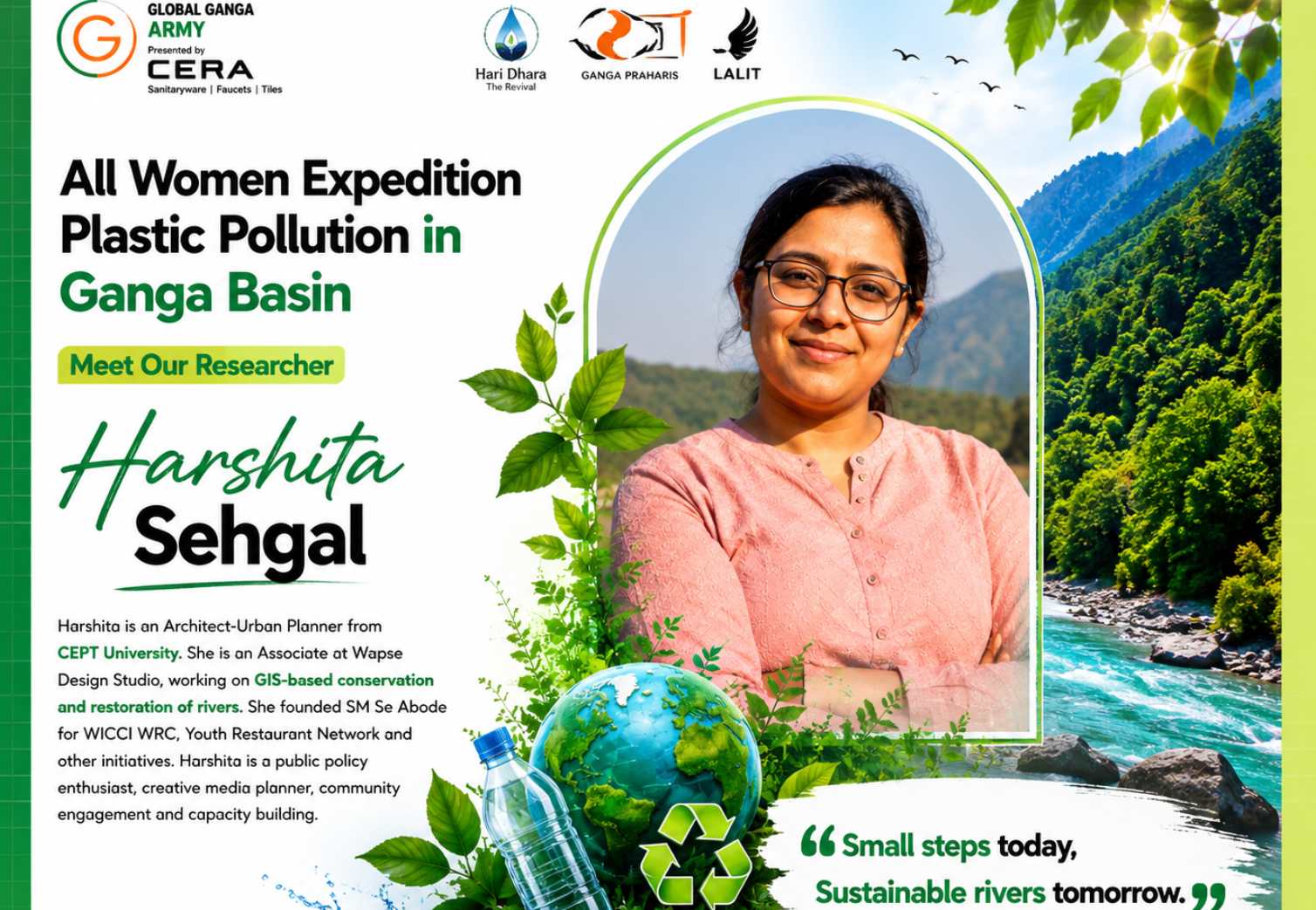
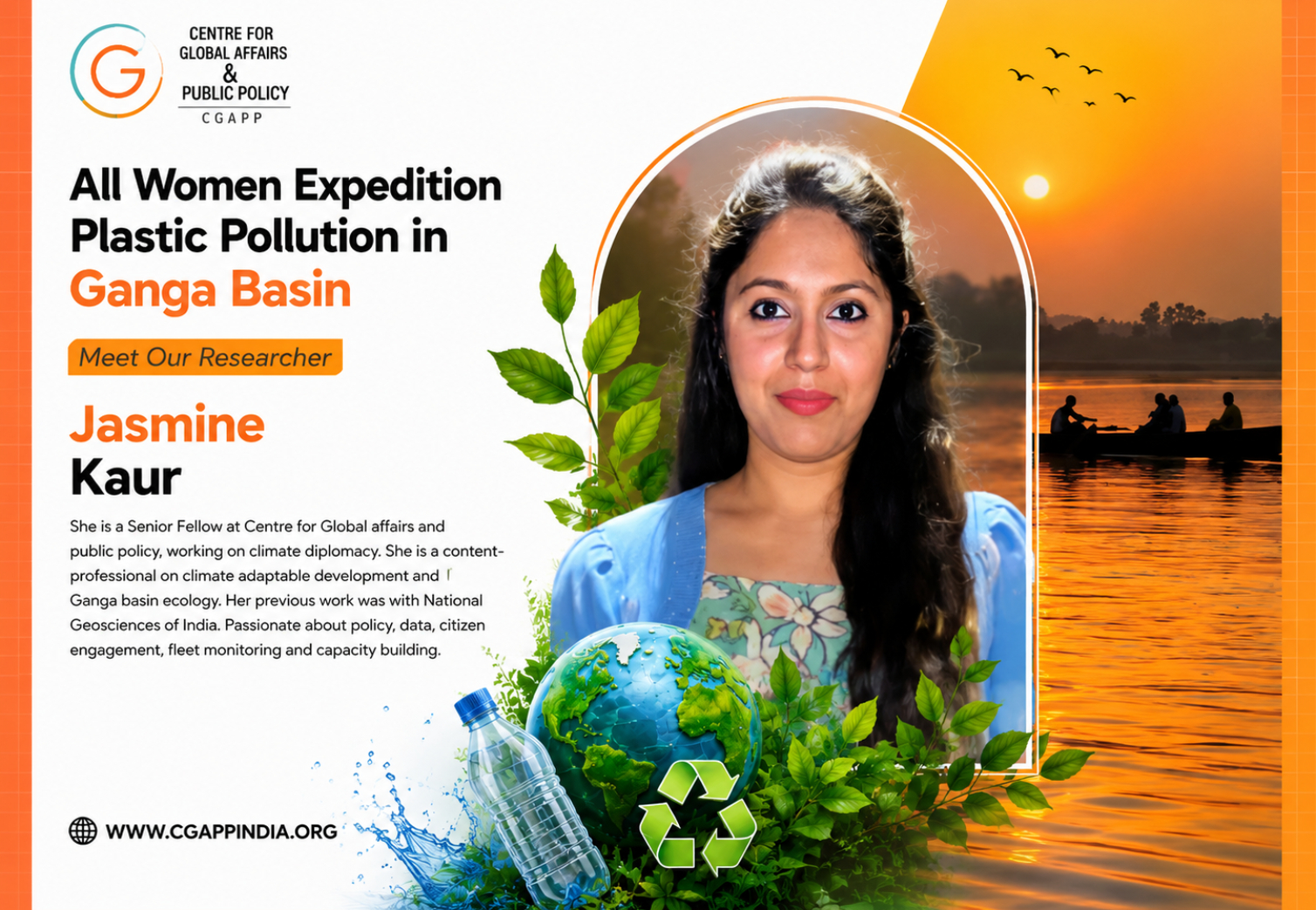
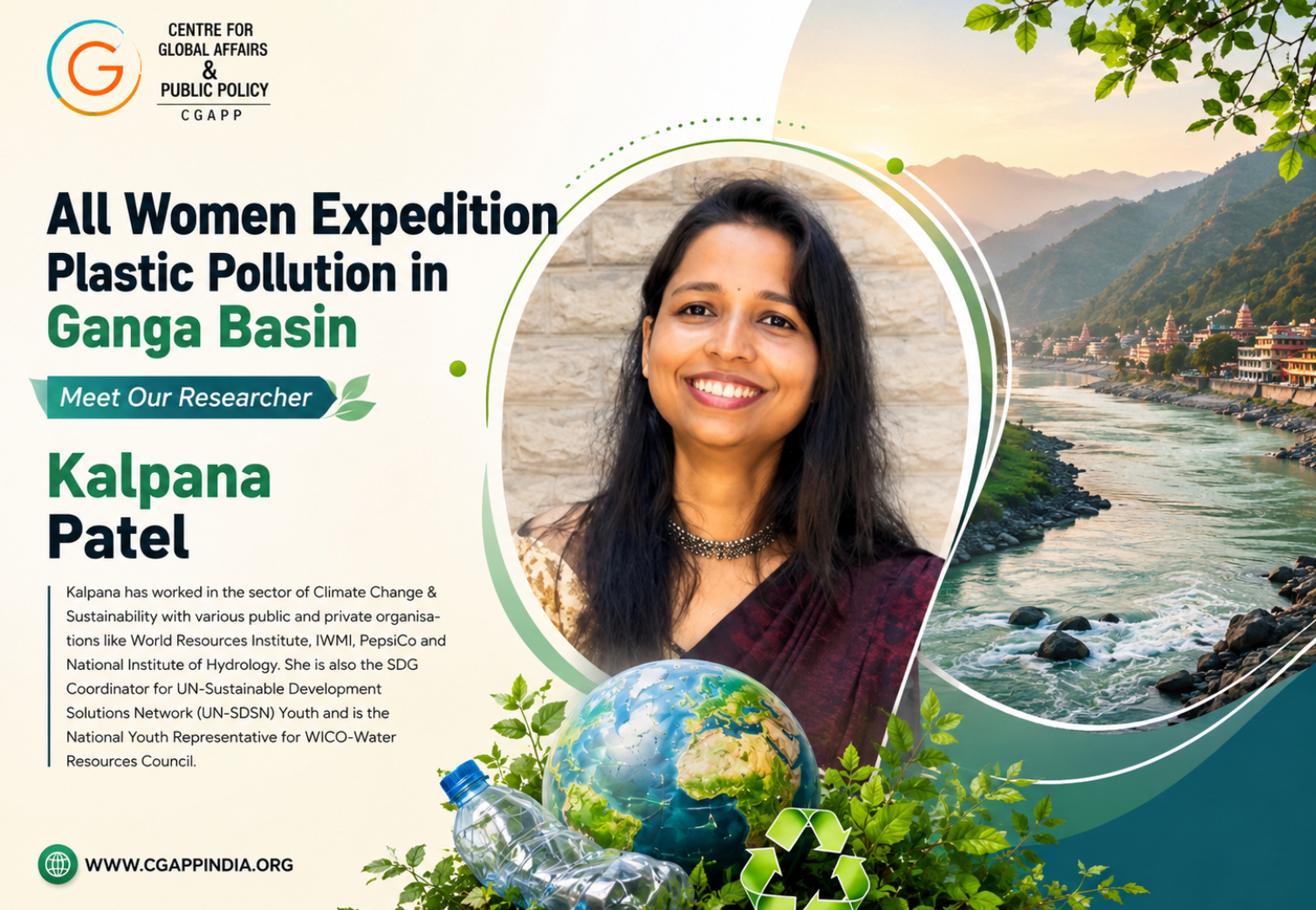
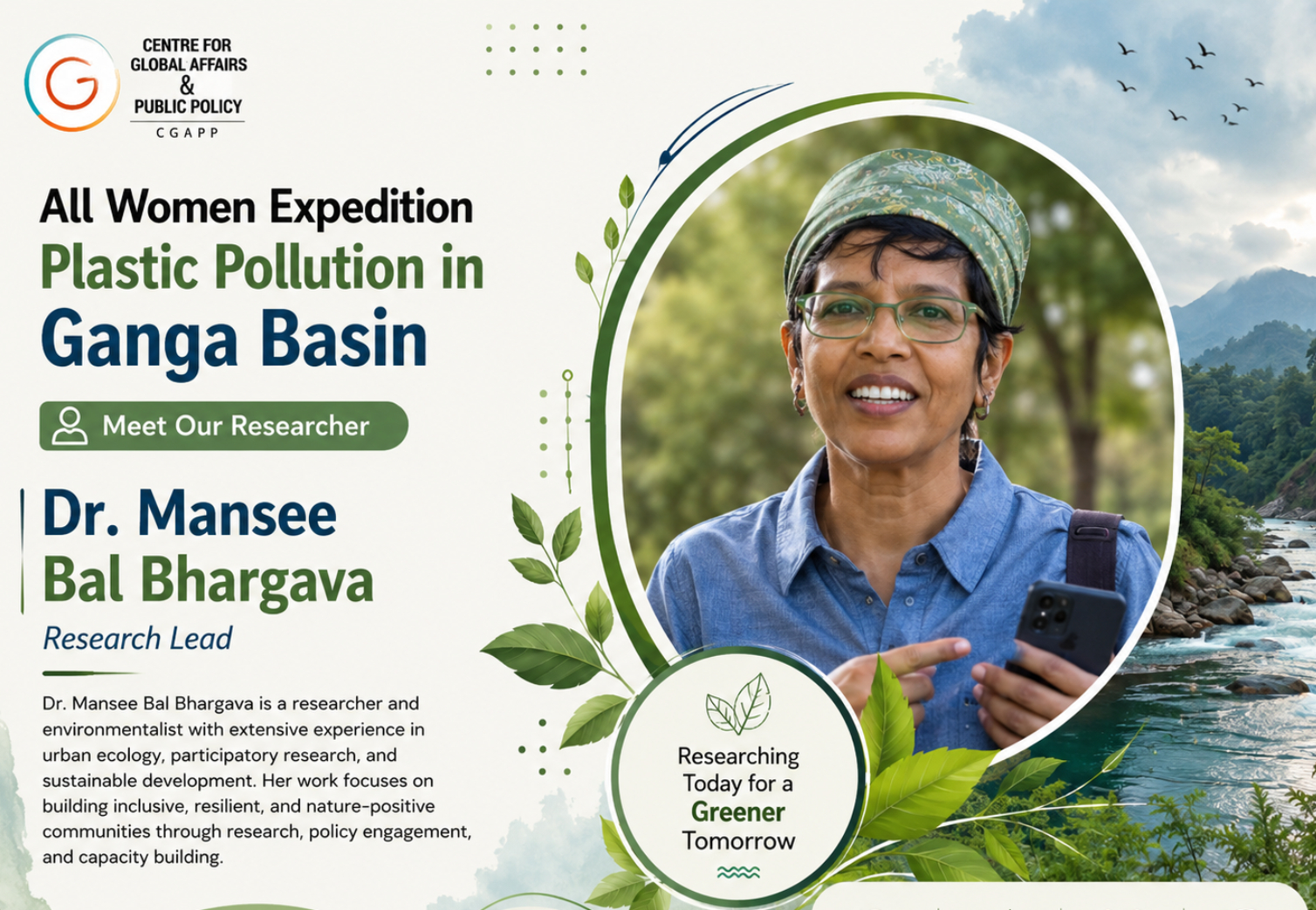
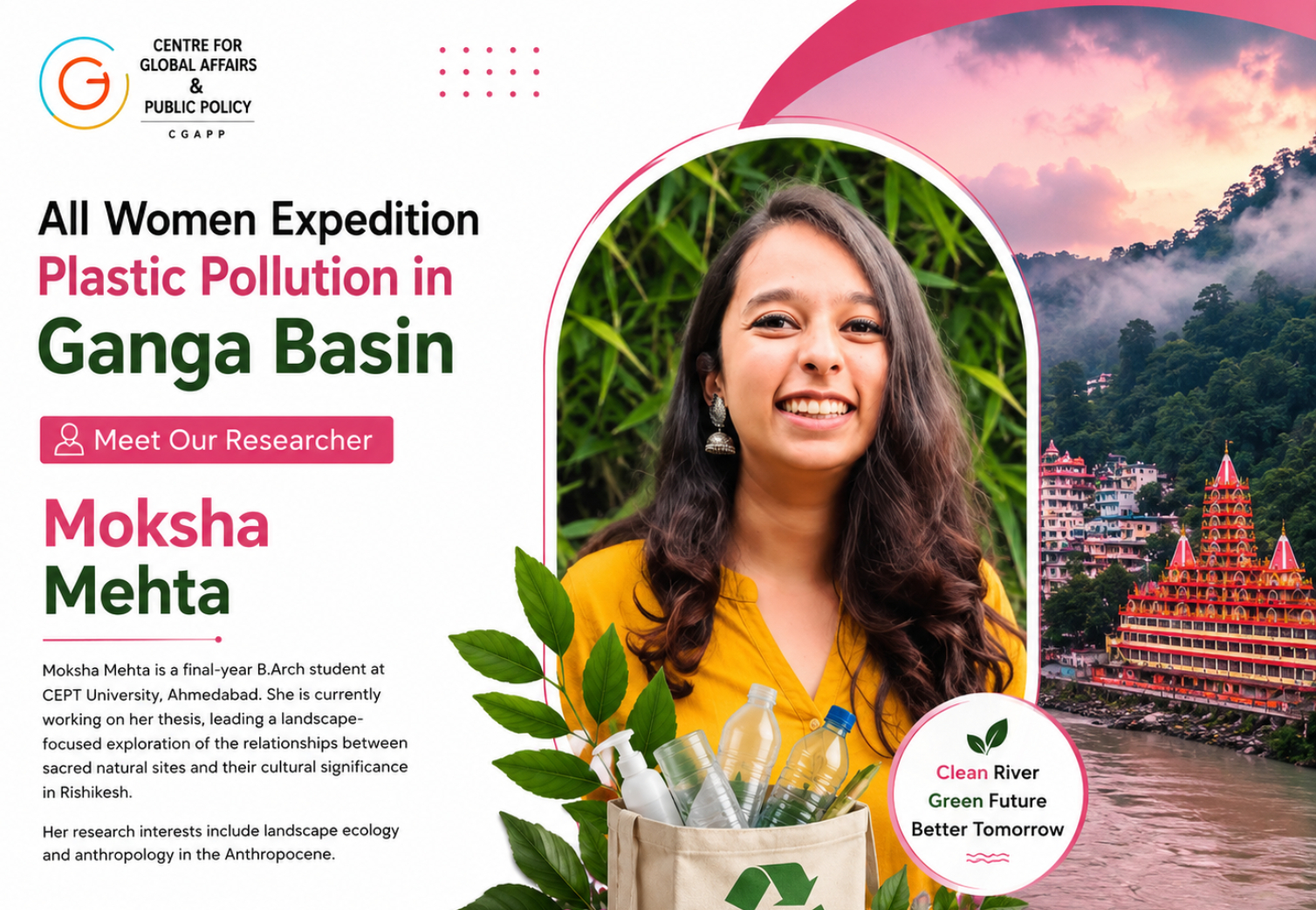
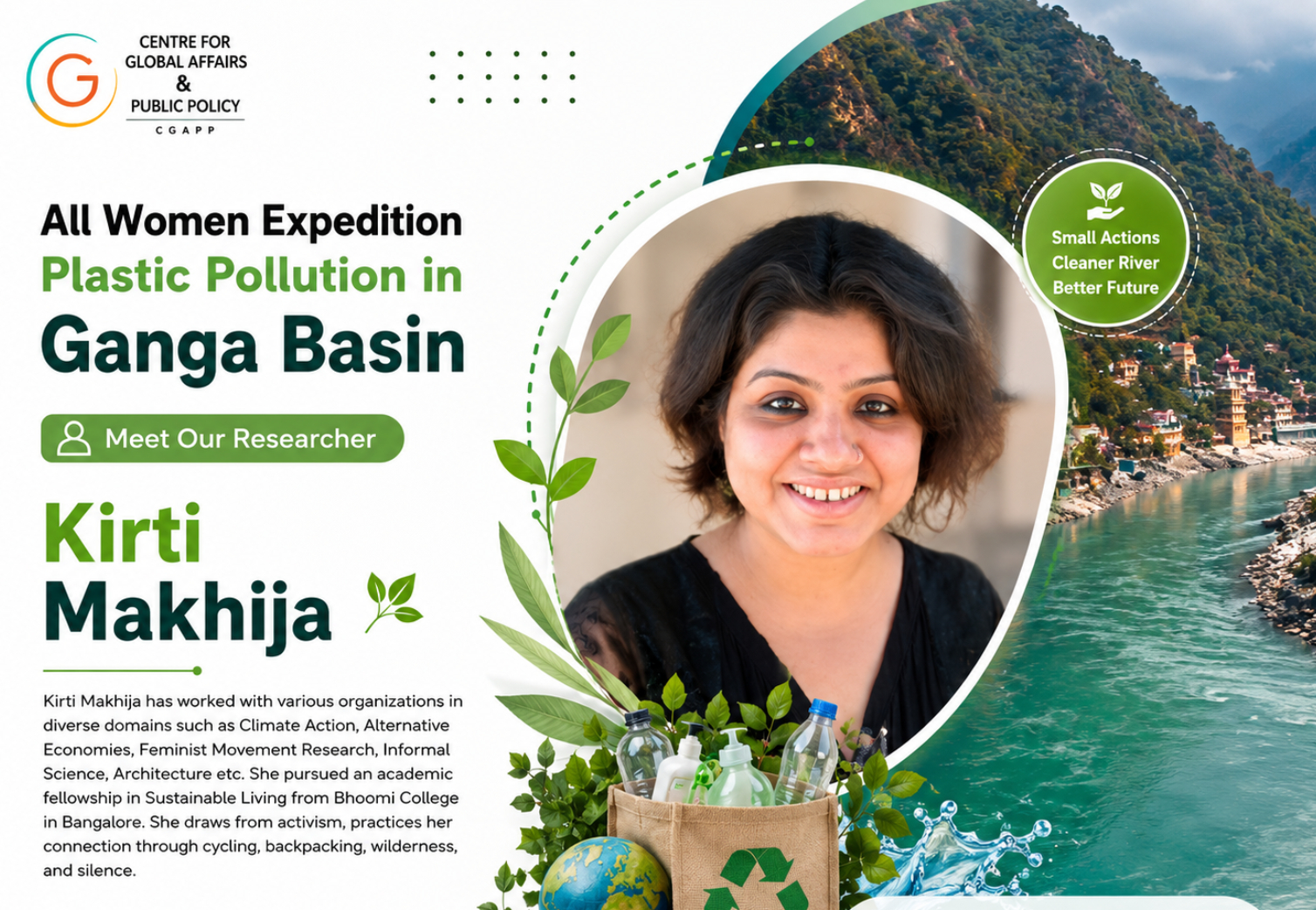
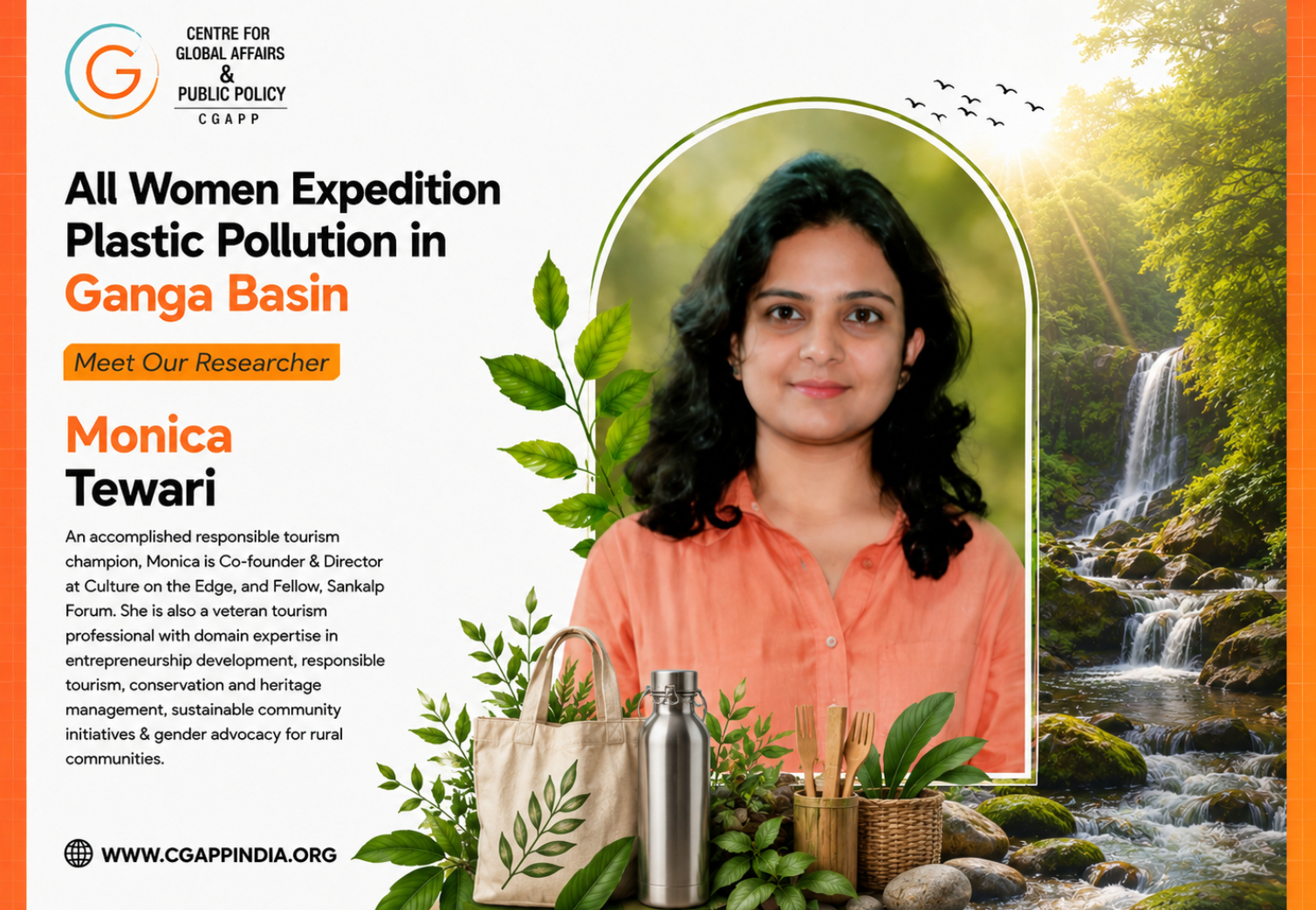
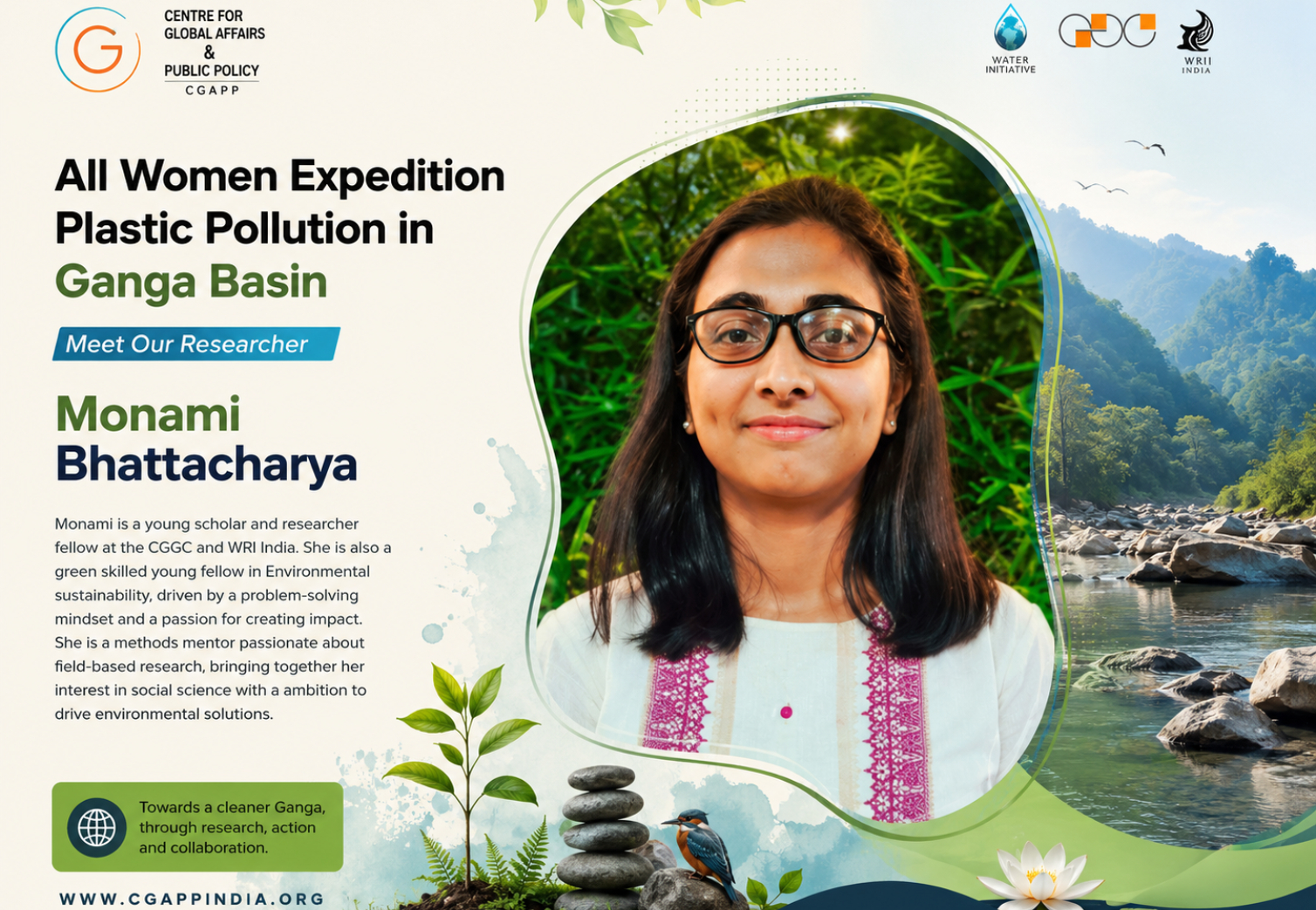
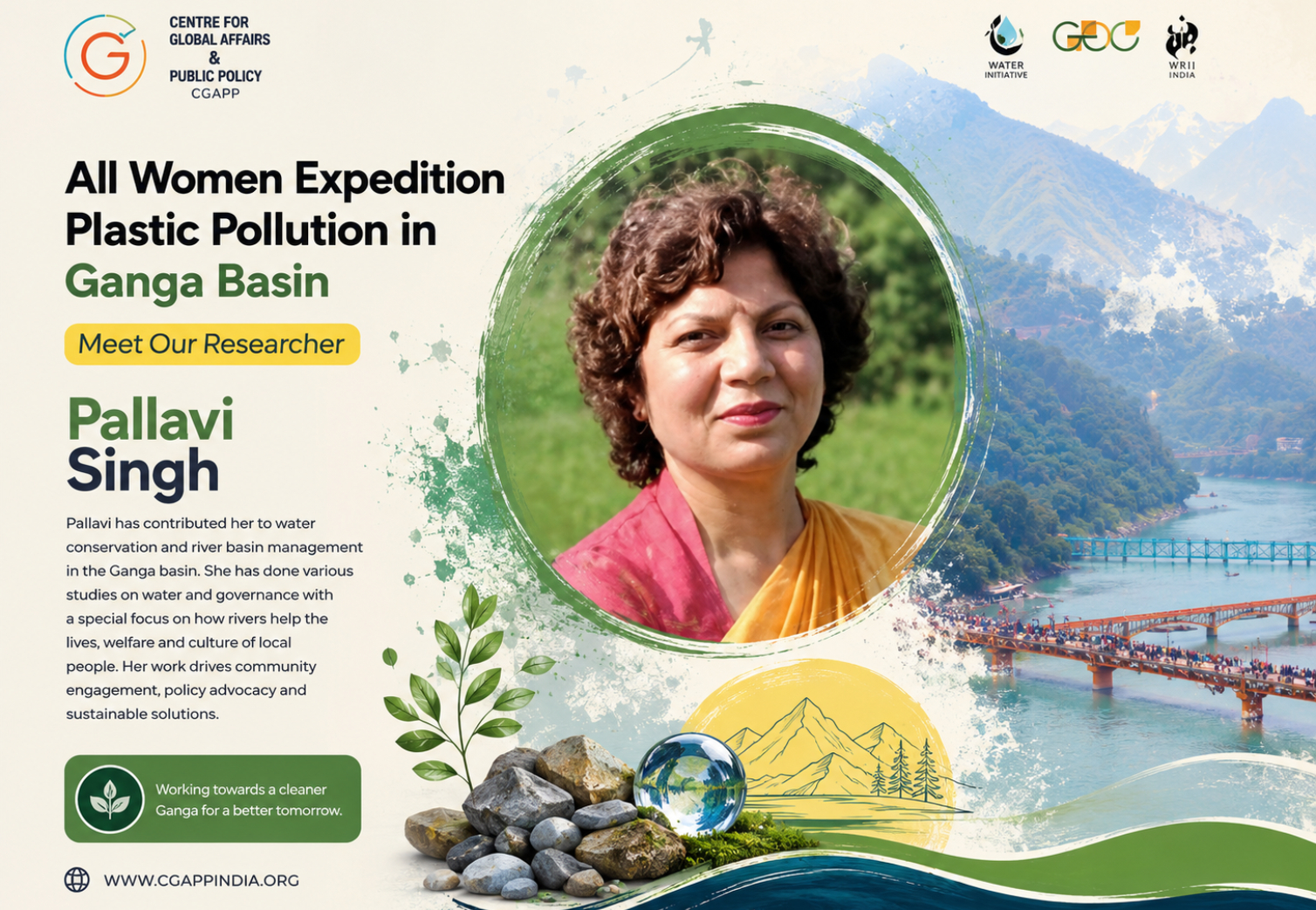
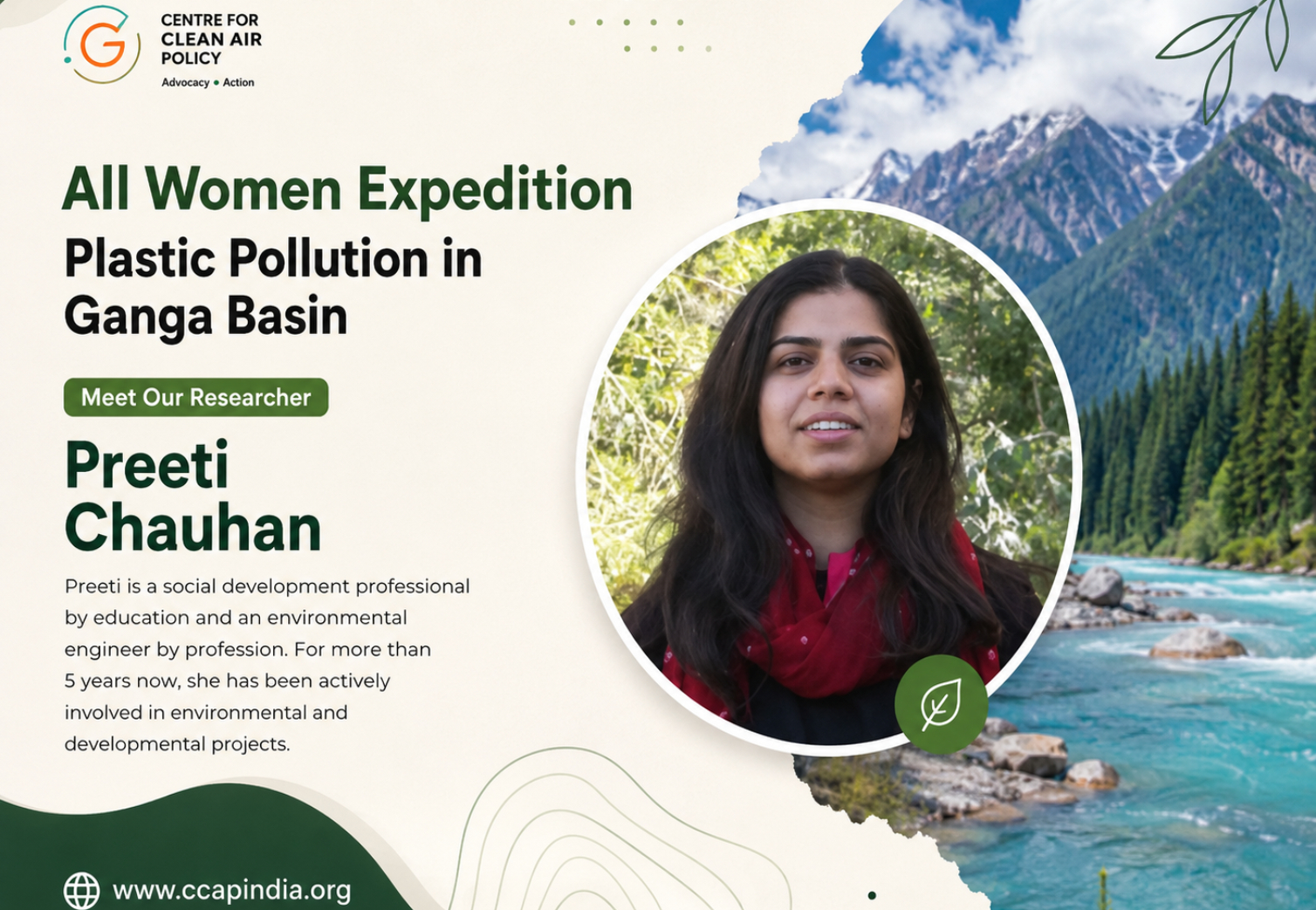
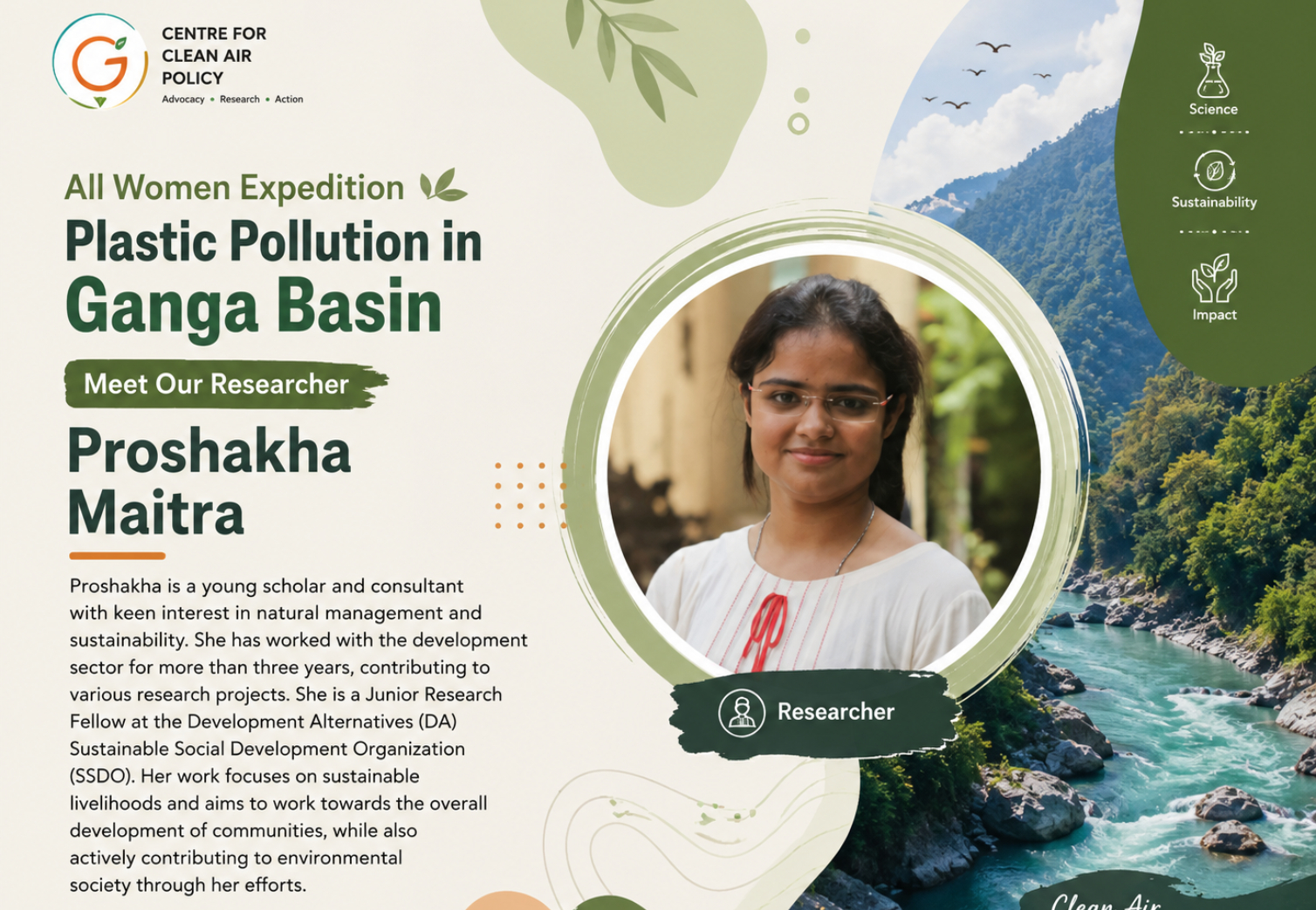
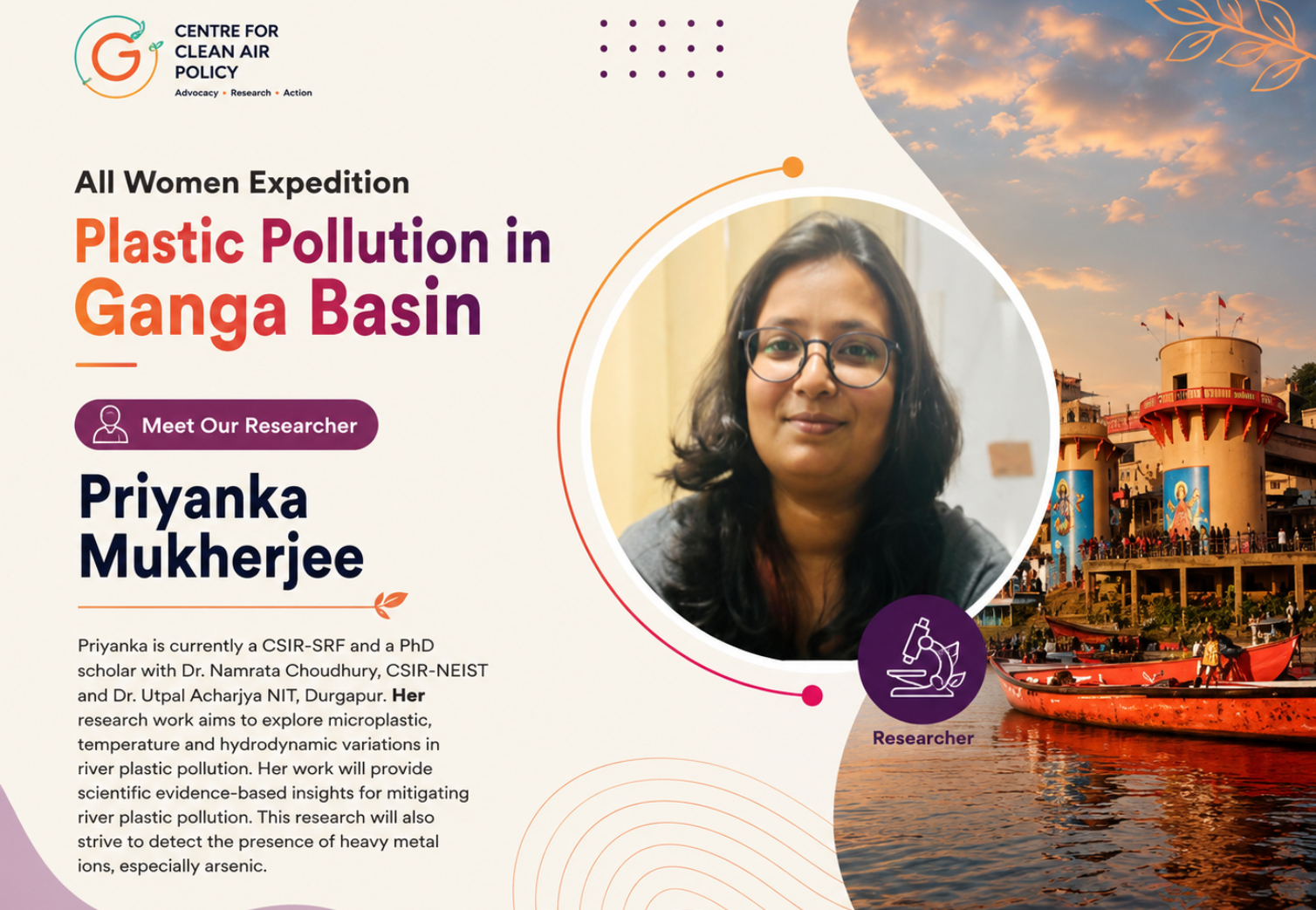
Our researchers